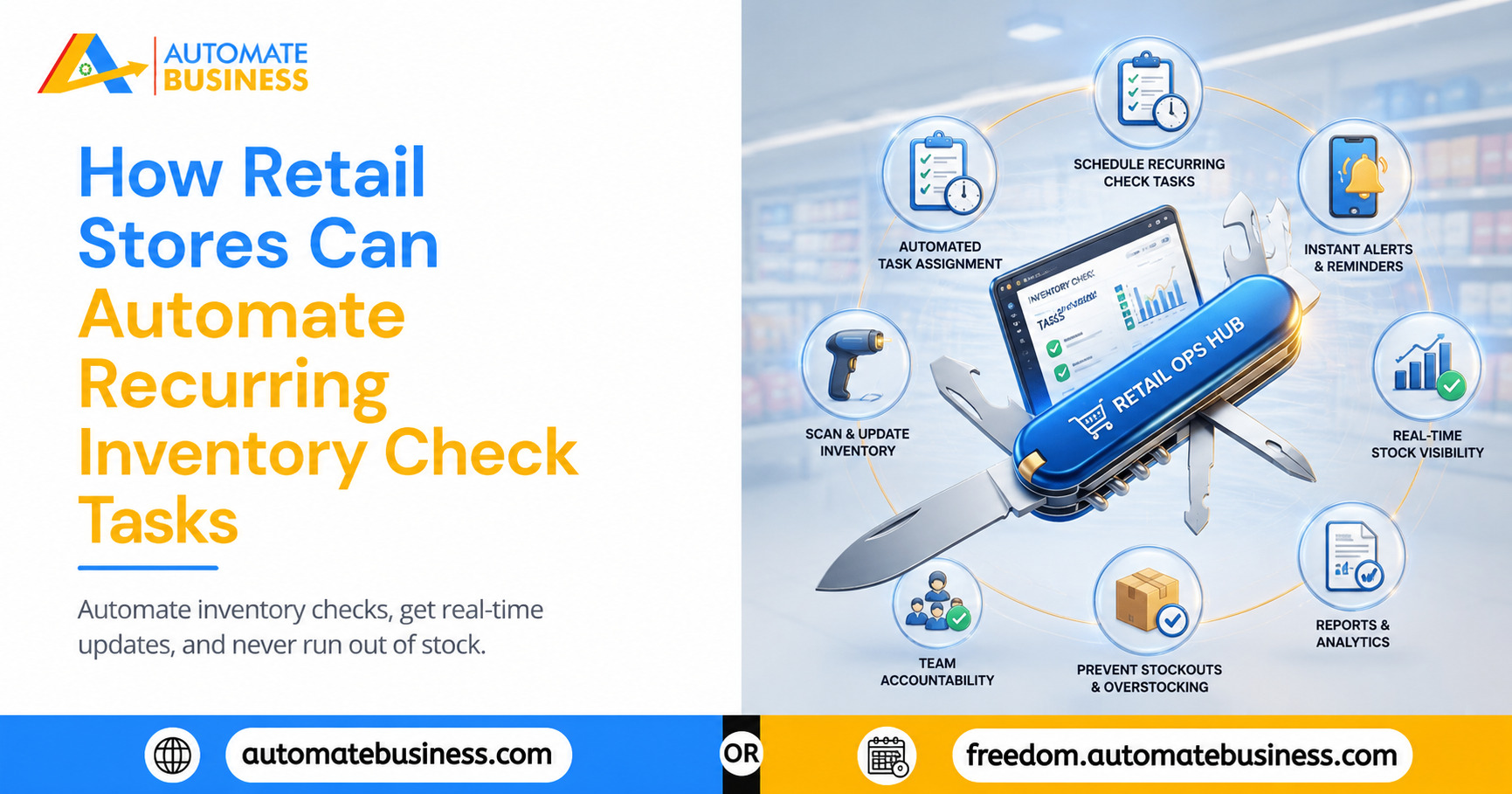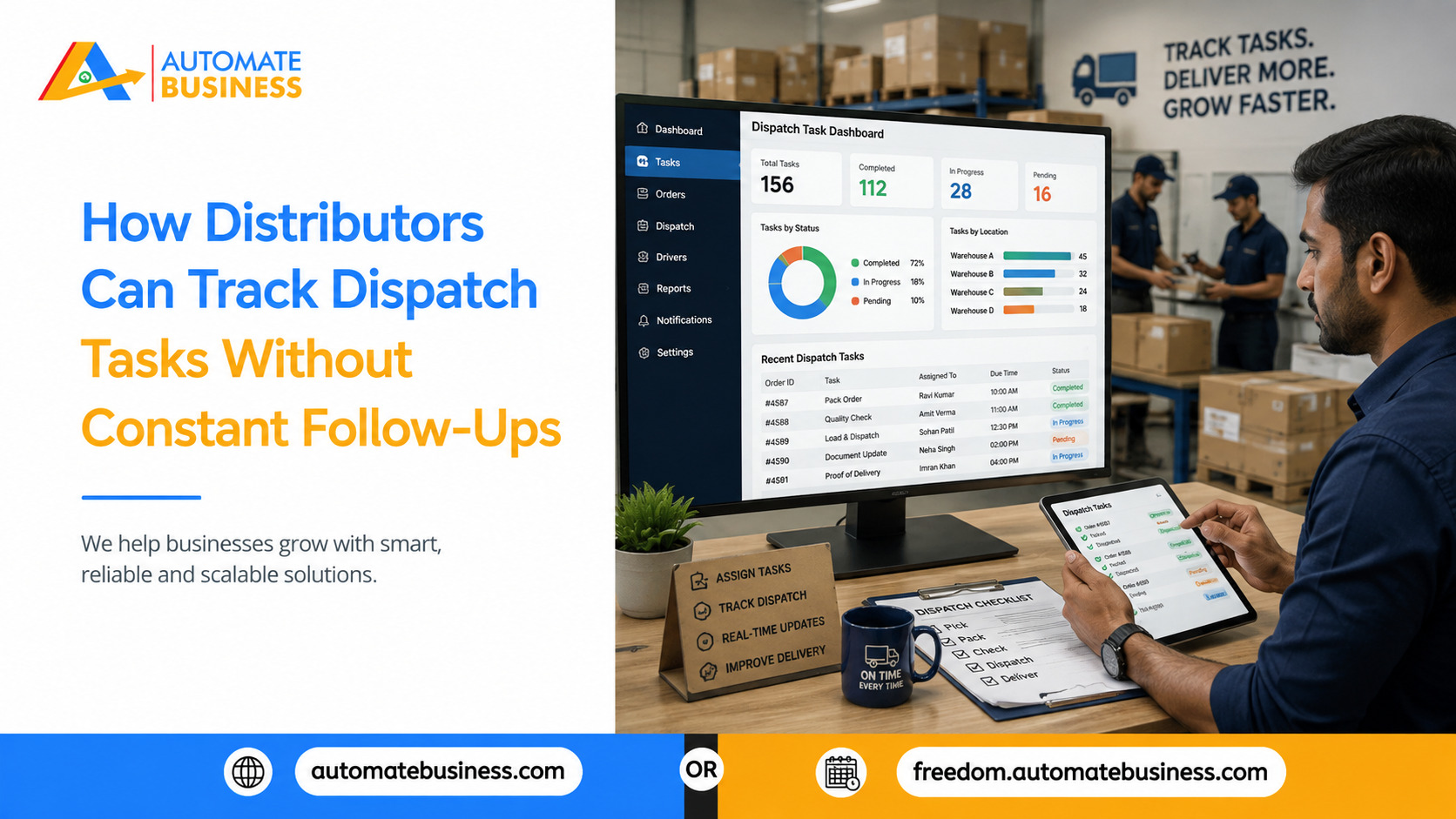
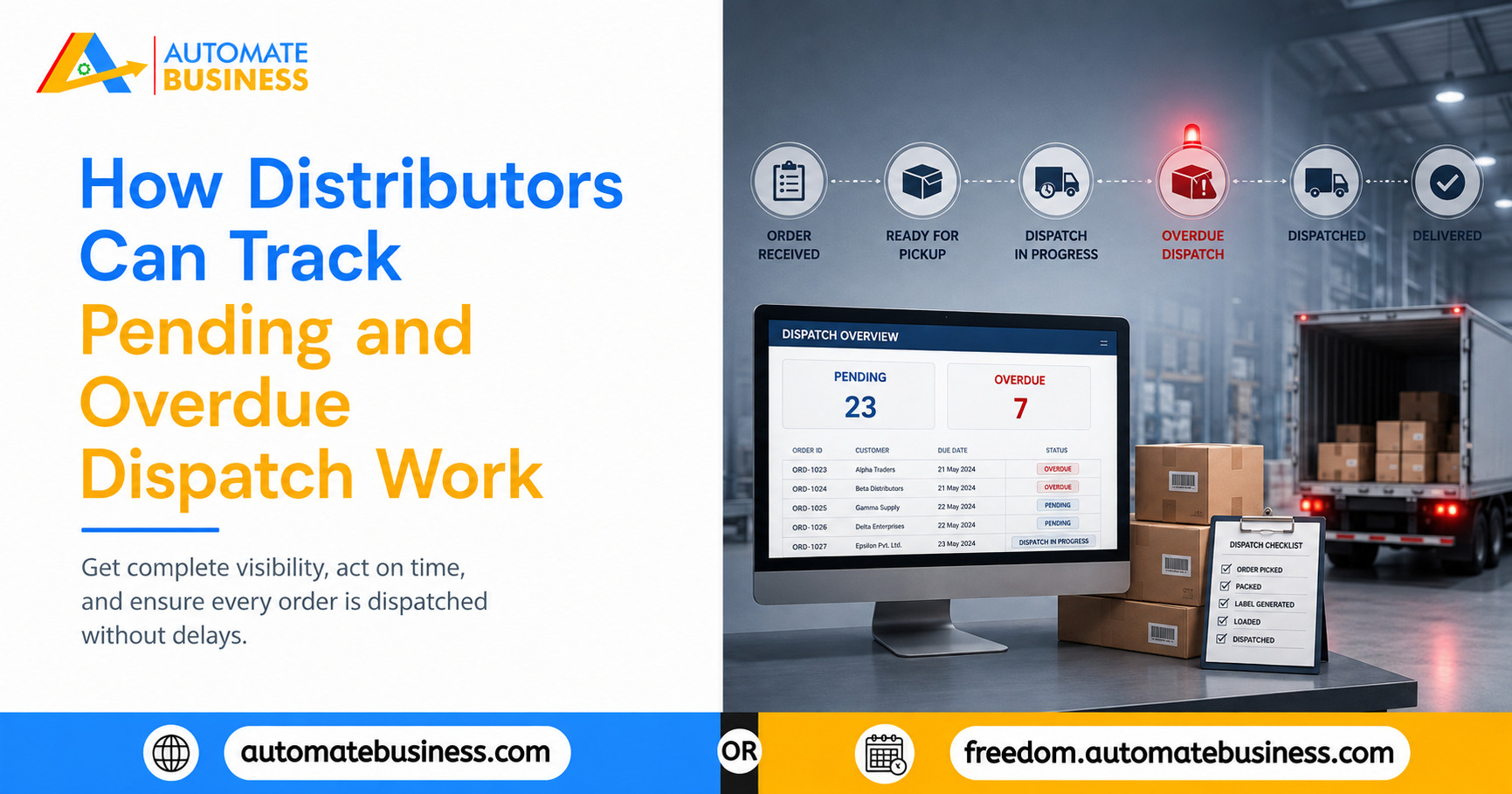
How Distributors Can Track Pending and Overdue Dispatch Work
Learn how distributors can stop dispatch delays by tracking pending and overdue work with WhatsApp reminders, dashboards, and Automate Task Management.
Join the 1 Day Live Hackathon
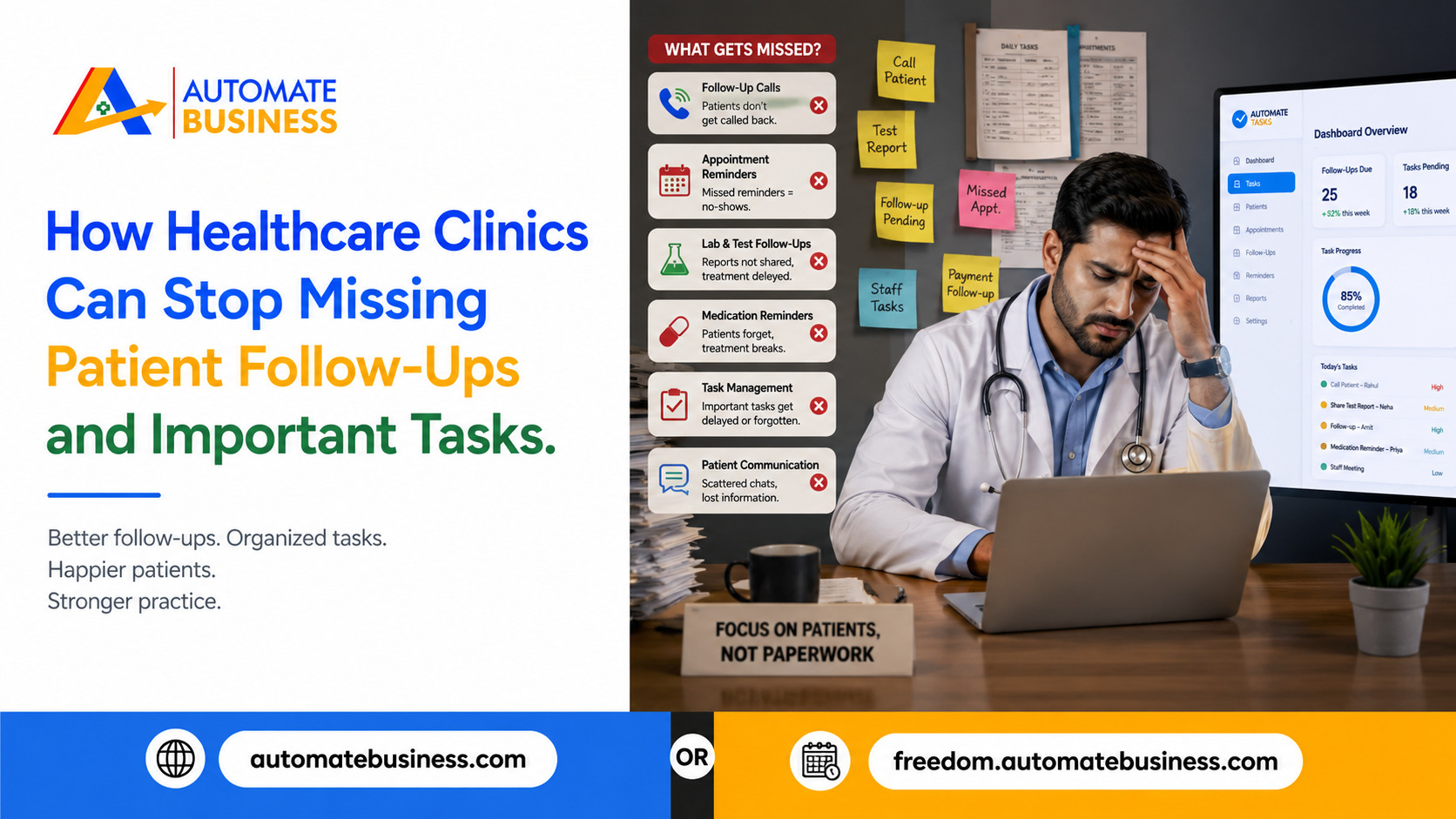
When Healthcare Operations Run on Memory, Patients Fall Through the Cracks
Running a healthcare clinic is operationally complex in a way most industries aren't. Patient care doesn't follow a linear timeline it requires multiple touchpoints, across multiple staff members, on a schedule that's clinically important and not just administratively convenient. A post-consultation follow-up missed by three days isn't just an inconvenience. It can mean a patient's condition progresses without monitoring, a prescription isn't reviewed on schedule, or a diagnostic report goes undiscussed until the patient calls to ask why nobody reached out.
At the same time, clinics are managing everything else that keeps a healthcare business running appointment scheduling, staff coordination, lab result communication, insurance documentation, equipment maintenance, and regulatory compliance often with a lean team that's simultaneously focused on patient care.
The result, in most clinics, is an operational layer that depends heavily on manual reminders, verbal handoffs, and individual staff memory. It works until it doesn't. And when it doesn't, the consequence isn't a delayed shipment or a missed sales call it's a patient whose care was interrupted.
Automate Task Management is built to fix this operational layer bringing structure, automated reminders, and real-time visibility to every task in a healthcare clinic, from patient follow-ups to staff coordination to recurring compliance checks. This blog walks through exactly how clinics can use it to stop missing critical tasks and build a system that supports patient care the way modern healthcare demands.
Why Clinics Keep Missing Patient Follow-Ups
Understanding why follow-ups get missed is the starting point for fixing the system. In most clinics, the answer comes down to three consistent failures.
The first failure is ownership diffusion. When a follow-up is discussed in a morning briefing "someone call Mrs. Patel on Thursday to check on her blood pressure reading" nobody is formally assigned. The task exists in the verbal memory of everyone in the room and the written memory of nobody. By Thursday, the morning briefing has happened two more times, covering twenty more patients. Mrs. Patel's follow-up didn't happen because it was never formally owned by a specific person.
The second failure is the absence of automated reminders. Even when a follow-up is assigned to a specific staff member, the reminder depends on that person checking a list, a calendar, or a note they made three days ago. If they're covering for a colleague, managing a busy appointment day, or simply had too many things to track simultaneously, the reminder never fires. There's no system independently ensuring that Thursday's follow-up actually happens on Thursday.
The third failure is invisible overdue status. In a clinic running on WhatsApp coordination and paper registers, a follow-up that was supposed to happen on Thursday isn't visibly overdue on Friday. Nothing flags it. The only way to know it was missed is to check the original note and nobody thinks to check the original note until something downstream makes the omission obvious.
All three of these failures have direct system-level solutions.
The Integration Advantage: Forms, CRM, and WhatsApp in One Workspace
Automate Task Management is part of the Automate Business platform, which means it connects directly with other tools that healthcare clinics use for patient engagement and operational management.
Patient intake forms built in Automate Forms can automatically trigger a follow-up task in Automate Task Management so when a new patient completes their intake form, a task is created for the care coordinator to review the intake and schedule the first appointment, without any manual step in between. Patient enquiries captured through WhatsApp via Automate Chats can be converted directly into tasks for the front desk team to follow up, with assignment and deadline set automatically based on the enquiry type.
For clinics using the Automate CRM for patient relationship management, task management integrates with the patient record so every follow-up task is linked to the relevant patient, and the clinical coordinator has full context when completing the call rather than having to locate the patient's record separately.
This connected workspace means the operational layer of a healthcare clinic runs as a coordinated system rather than a set of disconnected tools tasks, patient communications, intake forms, and follow-up workflows all visible in one place, all held to the same accountability standard.
Patient Care Is Only as Good as the System Behind It
Clinical excellence and operational excellence are not separate concerns in a healthcare clinic they're the same concern. A clinic with skilled doctors but an unreliable follow-up system will lose patient trust as consistently as a clinic with the reverse problem. Patients don't distinguish between the quality of their treatment and the quality of their experience being cared for both are part of what they came to the clinic for.
Automate Task Management builds the operational layer that clinical excellence depends on ensuring that every follow-up is assigned, every reminder fires on schedule, every overdue task is visible before it becomes a missed appointment or a care gap, and every staff member knows exactly what they're responsible for and when.
The system supports the care. The care supports the patient. That's the complete picture. See how Automate Business works for healthcare clinics
Get more insights every week. Join Kewal's free WhatsApp community for live sessions and automation tips.
Join 12,000+ MSMEs who automated their business. Join the 2 day live hackathon today.